Best Yarn for Amigurumi: Cotton, Acrylic, Blends and Plush
How cotton, acrylic, blends and plush yarn behave in crocheted toys, how yarn weight changes the size of the result, and which colors make learning easier.
Tutorial at a glance
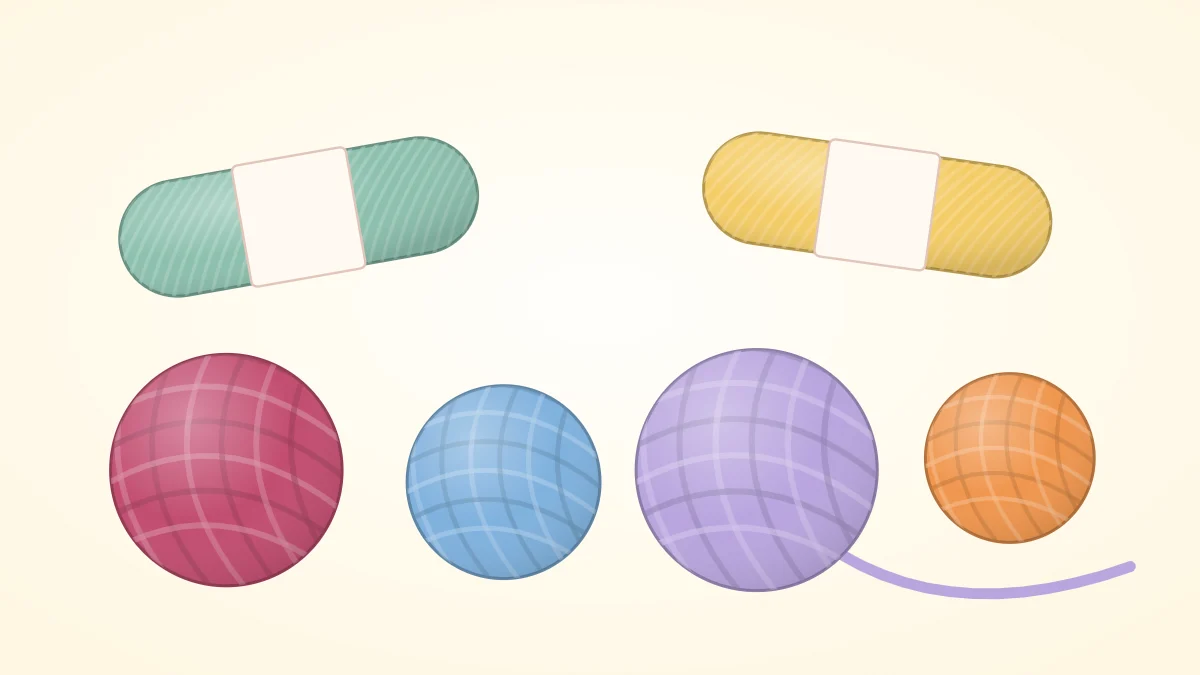
Materials
- Smooth worsted weight cotton or acrylic yarn, light solid color
- A second color for stripes and details
- Small amount of dark yarn for embroidered faces
- 3.5 mm (US E-4) crochet hook
- Polyester fiberfill
- Locking stitch marker
- Blunt yarn (tapestry) needle
For a first toy, the best yarn for amigurumi is a smooth, worsted weight (#4 medium) cotton or acrylic in a light, solid color. That one sentence covers most beginners. The reasons behind it are worth knowing, though, because they tell you what to expect when you pick up something different: a fluffy plush yarn, a fine cotton for a miniature, or a dark skein from the back of a cupboard.
What amigurumi asks of a yarn
Toy fabric is crocheted more tightly than a scarf or blanket so that the stuffing stays hidden. That puts three demands on the yarn.
- Stitch definition. You need to see each stitch to count it and to find the loops for the next round. Smooth, round, firmly twisted yarn shows stitches clearly.
- Resistance to splitting. A small hook pushed into tight stitches will separate a loosely twisted yarn into its plies. A firm twist keeps the strand together.
- Durability. Toys are squeezed, carried around and washed. The yarn should not shed, pill heavily or stretch out of shape.
Cotton, acrylic, blends and plush yarn compared
| Fiber | Stitch definition | Feel | Washing | Good to know |
|---|---|---|---|---|
| Cotton | Crisp and clear | Smooth, cool, fairly firm | Washes well and keeps its shape | No stretch, so tight stitches are harder on the hands; heavier than acrylic |
| Acrylic | Good, slightly softened by fuzz | Soft, light, a little springy | Usually machine washable | Forgiving to work with; the surface can fuzz or pill with handling |
| Cotton-acrylic blend | Clear | Softer than cotton, smoother than acrylic | Usually easy care | A middle path with a little give |
| Chenille or plush | Poor; stitches are hidden by the pile | Very soft and velvety | Often washable; check the label | Works up large and cuddly, but hard to count and to pull back |
Cotton
Cotton gives the neatest surface. Every V stands out, embroidery sits cleanly on top, and the fabric holds firm shapes. Mercerized cotton has a slight sheen and is smoother still, though it can be slippery at the start of a piece. The trade-off is that cotton has no elasticity. Loops do not stretch to let the hook through, so tight work in cotton can tire the hands.
Acrylic
Acrylic is light, soft and widely available in many colors. Its slight springiness makes tight stitches easier on the hands. Choose a smooth acrylic with a firm twist. Very soft, loosely spun acrylics split easily under a small hook and develop a halo of fuzz that blurs the stitches.
Blends
Cotton-acrylic blends aim to combine the definition of cotton with the give of acrylic. They are a sensible choice if pure cotton feels stiff to you and pure acrylic looks too fuzzy.
Chenille and plush yarn
Plush yarn produces large, squashy toys. It is also the hardest yarn to learn on. The pile hides the stitches, so you work largely by feel and by counting as you go. Pulling work back is difficult because the pile locks together, and the fine core of the yarn can snap if a starting ring is pulled closed with force. Come to it after the basic shapes feel familiar in smooth yarn.
A note on wool
Wool crochets pleasantly and has natural stretch, but it can felt when washed and may irritate sensitive skin. It is better suited to display pieces than to toys that will be washed often.
Yarn weight and the size of the toy
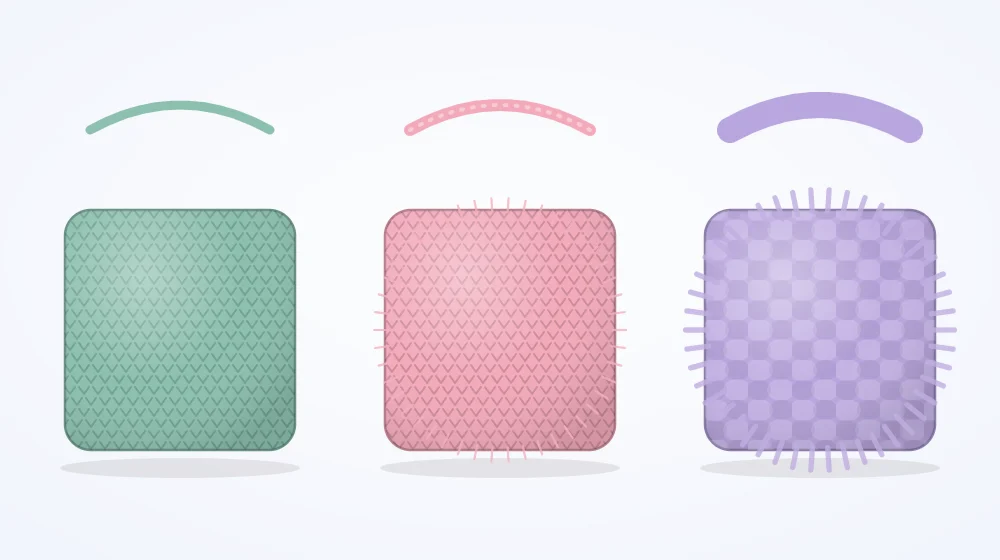
A pattern does not have a fixed size. The same round-by-round instructions give a smaller toy in thinner yarn and a larger one in thicker yarn, provided the hook changes with the yarn so that the fabric stays dense. The numbered categories on yarn labels make the comparison easy.
| Weight category | Common names | What the same pattern becomes |
|---|---|---|
| #1-#2 | Fingering, sport | Miniatures: keychains, ornaments, tiny companions |
| #3 | DK, light worsted | A small toy with fine detail |
| #4 | Worsted, medium | The standard hand-sized toy; easiest to learn on |
| #5-#6 | Bulky, super bulky (most plush yarns) | A large, huggable version |
Worsted weight with a 3.5 mm (US E-4) hook is the default on this site. The stitches are big enough to see and the pieces big enough to hold. For miniatures, fingering or sport weight is paired with a 2.0-2.5 mm hook; the mini amigurumi guide covers the adjustments. Pairings for every weight are in the guide to amigurumi hook sizes.
Watch out
Use one yarn weight, and ideally one yarn line, for all the pieces of a toy. Two yarns that both say “worsted” on the label can differ in thickness, and a head in one with a body in the other may not fit together as the pattern intends.
Choosing colors as a beginner
- Start light or mid-tone. Cream, yellow, soft pink, light blue and light gray show every stitch. Black, navy and dark brown hide them, even in good light.
- Pick solids. Variegated and speckled yarns disguise the stitch structure and can make shaping harder to read.
- Check white against the stuffing. White and very pale yarn hides fiberfill well. Dark yarn shows any white that peeks through, so it needs an especially dense fabric.
- Plan the small colors. A toy usually needs one main color and small amounts of one or two others for a muzzle, inner ears or a scarf.
Trouble seeing stitches is one of the faults listed among the common amigurumi mistakes, and yarn color is usually the cause.
How much yarn a small project uses
Amigurumi is economical. A small toy in worsted weight uses only part of a standard ball of its main color, and accent colors are needed in such small amounts that leftovers from other projects are normally enough. Size is what drives yarn use: thicker yarn, more rounds and more separate pieces all add up, and plush yarn in particular is used up faster than its bulk suggests.
Two habits prevent running short. Buy all of the main color at one time, because shades can vary slightly from one dye lot to the next. And make the largest pieces first, so that if the yarn does run low, the shortfall lands on a small piece that could be worked in a contrasting color.
A first shopping list
Put together, the best yarn for amigurumi practice is a short list:
- One ball of smooth worsted weight cotton or acrylic in a light solid color
- One ball in a second color for practice with stripes and details
- A small amount of black or dark brown for embroidered faces
The remaining supplies, from hook to stuffing, are listed in amigurumi for beginners.
Frequently asked questions
Can I mix cotton and acrylic yarn in the same toy?
You can, as long as the two yarns are the same thickness and are worked with the same hook, so the pieces come out in proportion. Be aware that the surfaces differ: cotton is matte or slightly shiny and crisp, acrylic is softer and a little fuzzy, so the change will be visible. Care is then limited by the more delicate of the two.
Is it worth buying expensive yarn for a first amigurumi?
No. A first toy involves a lot of pulling back and reworking, which is hard on any yarn. A plain, smooth, sturdy yarn in a light color teaches more than a luxury one, and the qualities that matter most, a firm twist and clear stitches, are found at every level.
What yarn is suitable for a toy for a baby?
Choose a smooth yarn that does not shed fibers and that can be washed, and check the label for care instructions. Avoid fluffy, hairy or loosely spun yarns that release fibers. Features should be embroidered, because safety eyes, beads and buttons are a choking hazard for babies and children under 3.